Cyndi Aulya: A Premium Script Font for Editorial Design
Cyndi Aulya is a premium script font that brings elegance and personality to editorial design. With its flowing, handwritten style, it adds a touch of sophistication to any project. Whether you're working on a blog header, magazine cover, or printable guide, Cyndi Aulya offers a unique visual appeal that stands out in the world of typography.
Visual Characteristics and Editorial Appeal
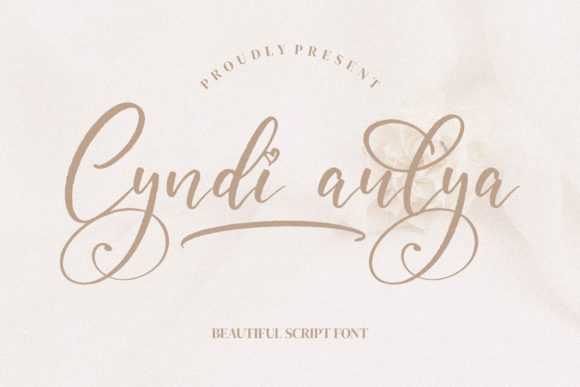
Cyndi Aulya features a soft, organic feel with subtle variations in stroke weight and character shapes. This gives it a natural, handwritten appearance that feels both personal and professional. Its curves and flourishes make it ideal for projects that require a sense of warmth and creativity.
The font's personality is versatile, making it suitable for a wide range of editorial applications. From lifestyle blogs to wedding guides, Cyndi Aulya can be used to create a consistent and engaging visual identity. Its clean yet expressive lines ensure that it remains readable even when used in larger formats like headlines or chapter openers.
Practical Uses in Editorial Design
Cyndi Aulya shines in various editorial contexts. For instance, it works beautifully as a headline font for blog posts or digital magazines. Its unique style draws attention without overwhelming the reader. When paired with a clean sans serif font for body text, it creates a balanced and visually appealing layout.
In a recipe ebook, Cyndi Aulya can be used for section headings or title pages, adding a personal touch that complements the content. For a coaching workbook, it could be employed in chapter titles or motivational quotes, enhancing the reader's experience with a more inviting and approachable tone.
When designing a printable planner or a creator newsletter, Cyndi Aulya can be used for headers, pull quotes, or accent text. Its use in these elements helps to establish a cohesive brand identity while maintaining readability across different sections.
Readability Considerations
While Cyndi Aulya excels in display purposes, it's important to consider its readability in longer passages. It is best suited for headlines, subtitles, and short blocks of text rather than extended body copy. When using it in digital formats such as websites or PDFs, ensure that the font size and spacing are optimized for screen reading and mobile layouts.
For print materials, check how the font appears at different sizes and resolutions. Its performance in print may vary depending on the paper quality and printing method. Always test your designs across multiple platforms to ensure consistency and clarity.
Font Pairing and Typographic Harmony
Cyndi Aulya pairs well with a variety of fonts, allowing for creative and functional typographic combinations. For example, pairing it with a modern sans serif font like Montserrat or Helvetica Neue can provide a strong contrast between display and body text. This combination is particularly effective in newsletters, where readability is key.
When used in social media graphics or web banners, Cyndi Aulya can be complemented by a clean, legible sans serif font for captions and navigation elements. This ensures that the overall design remains accessible while still capturing attention with its unique style.
Commercial Licensing and Usage
If you're planning to use Cyndi Aulya in commercial projects such as ebooks, templates, or paid newsletters, it's essential to review the licensing terms provided by Script Amp. Ensure that your usage aligns with the font's commercial rights, especially when distributing content to clients or publishing online.
For independent content creators and editorial designers, investing in a premium font like Cyndi Aulya can elevate the overall look and feel of your work. It not only enhances the visual appeal but also reinforces brand identity and professionalism.
Creating Consistency and Visual Hierarchy
Cyndi Aulya plays a crucial role in establishing visual hierarchy within a publication. Its distinctive style makes it ideal for drawing attention to key elements such as headlines, feature titles, and pull quotes. By using it consistently throughout a project, you can maintain a cohesive design language that supports reader engagement and comprehension.
When designing a digital magazine or a course workbook, consider using Cyndi Aulya for section headings and chapter openers. This helps to break up the content into digestible parts, guiding the reader through the material with ease.
Additionally, its use in branding elements like logos or packaging designs can reinforce a unified visual identity across all platforms. Whether you're creating a new brand or updating an existing one, Cyndi Aulya offers a stylish yet professional option that aligns with modern typography trends.
Cyndi Aulya is more than just a script font—it’s a valuable tool for editorial designers and content creators looking to enhance their work with a touch of elegance and personality. Its versatility, readability, and visual appeal make it a great choice for a wide range of editorial applications. By incorporating it thoughtfully into your design process, you can create content that resonates with readers and stands out in today's competitive creative landscape.