Katybell: A Playful Handwritten Font for Creative Branding
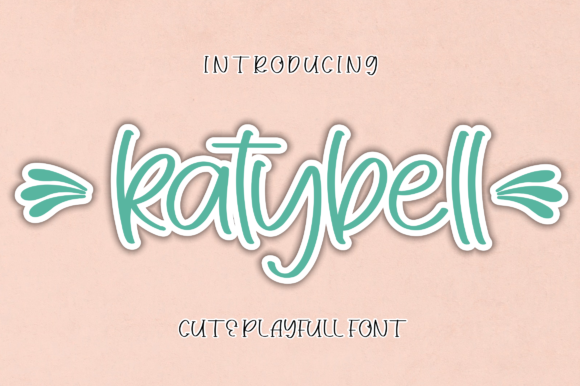
It was a quiet afternoon when I opened my design board and started sketching out the visual identity for a new local café. The brief was simple—create something warm, inviting, and personal. As I explored fonts, Katybell caught my eye. It’s a cute and simple lettered handwritten font with an authentic, playful look that felt just right for this project.
Katybell has a soft, organic feel to it. The letters are slightly uneven, with gentle loops and flourishes that mimic real handwriting. This gives it a sense of intimacy and approachability. It’s not overly stylized, which makes it versatile for a range of creative applications. From the first mockup, I knew it would work well as a display font or for short-form text where personality mattered more than strict readability.
Testing Katybell in Real Design Scenarios
I began by applying Katybell to the café logo. At first, I used it alone for the main brand name. The result was charming but lacked contrast. I realized that pairing it with a clean sans serif font like Montserrat would add balance. The combination worked beautifully—Katybell brought warmth, while Montserrat provided clarity and professionalism.
Next, I tested Katybell on packaging mockups. For the café’s takeaway cups and to-go bags, I used it for short quotes and taglines. The font’s playful nature added a personal touch that resonated with the café’s vibe. It wasn’t too whimsical, so it still felt professional enough for a branded product.
I also experimented with using Katybell in social media graphics. On Instagram posts, it worked well for captions and callouts. The handwritten feel made the content feel more relatable and human. I noticed that followers engaged more with posts that included Katybell compared to those with standard sans serif fonts.
How Katybell Fits into Branding Projects
Katybell is best suited for display purposes rather than body text. Its irregular spacing and character shapes make it less ideal for long paragraphs. However, it shines when used for headlines, logos, quotes, and short promotional messages. In the café project, it became the go-to font for all branding materials that needed a personal touch.
In editorial design, Katybell could be used for pull quotes or section headers in magazines or blogs that aim for a friendly, approachable tone. It also works well in packaging design, especially for products targeting younger audiences or niche markets like handmade goods, skincare brands, or boutique shops.
When designing for web use, I found that Katybell performed well in hero sections and banner headers. It didn’t interfere with the overall layout and still maintained its charm. For printed materials like business cards and label stickers, it added a unique flair that stood out without being distracting.
Design Tips for Using Katybell
If you’re considering Katybell for your next project, I recommend testing it early in the design process. Start with a few mockups and see how it interacts with other elements. Pay attention to how it looks at different sizes and distances. While it’s great for close-up reading, it might lose some of its character when viewed from afar.
Font pairing is crucial. Since Katybell is a handwritten font, it pairs well with more structured typefaces. Think about combining it with a modern sans serif for a balanced look. If you’re working on a brand system, ensure consistency by defining where Katybell will be used—logos, headings, or accents—and stick to those guidelines.
Also, check if Katybell includes any alternates or ligatures. These can enhance the visual appeal of your designs, especially when creating custom logos or intricate illustrations. And don’t forget to consider licensing—especially if you plan to use it in commercial projects.
Finally, remember that Katybell is a freebie font, which makes it accessible for many designers. But even though it’s free, it doesn’t mean it lacks quality. Its simplicity and charm make it a valuable addition to any designer’s toolkit, especially for branding projects that require a personal, handcrafted feel.
Whether you're designing for a small café, a creative studio, or a handmade shop, Katybell offers a unique way to bring personality to your work. It's not just a font—it's a storytelling tool that helps connect with your audience in a meaningful way.